Village History
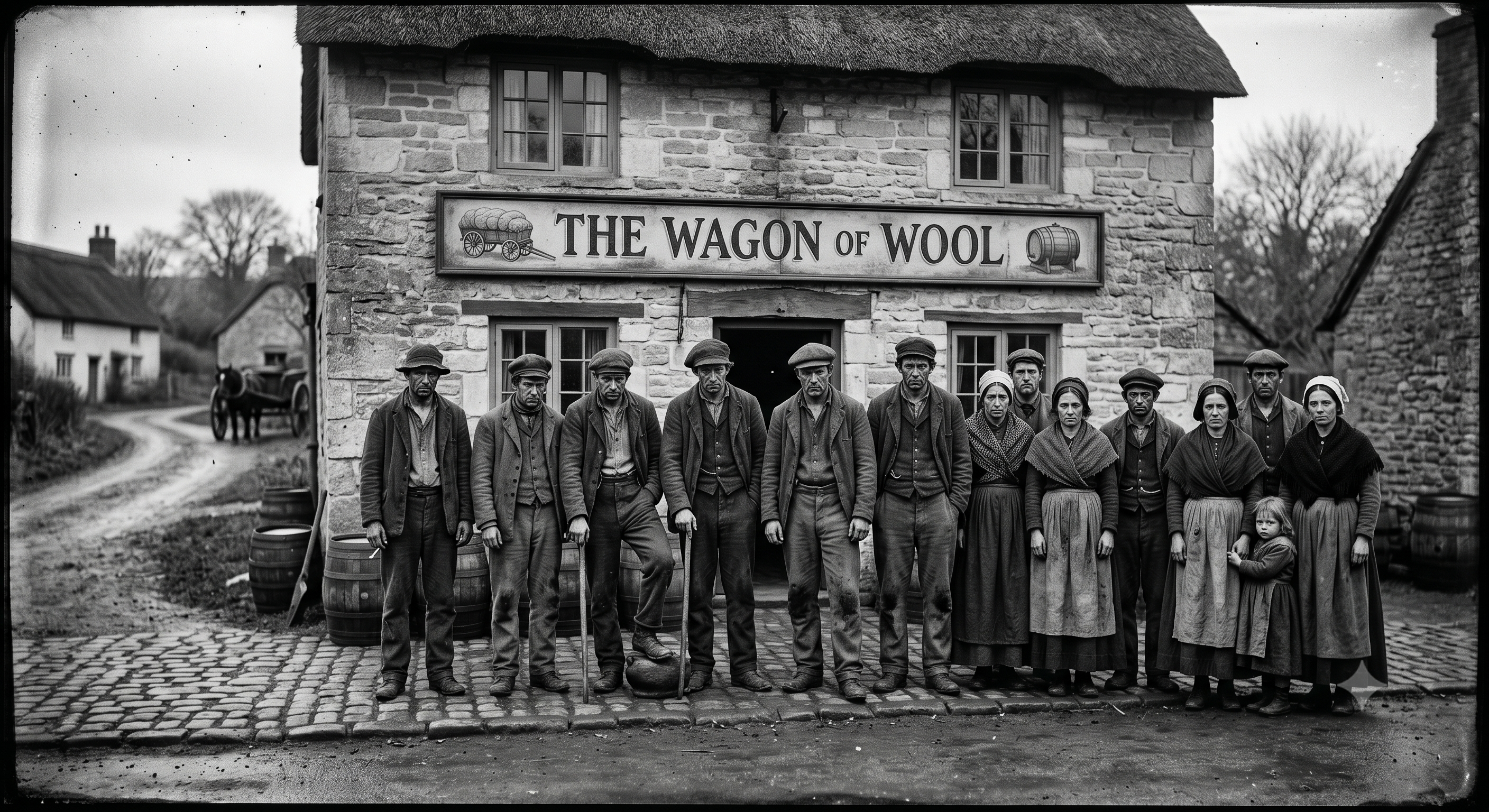
Thornwick St Mary is a small village, just under 100 miles from London and four miles from the North Sea. It is set in a landscape of outstanding natural beauty with tidal river, marsh, heath, small woods, pasture and arable fields. Its magnificent medieval church commands the valley of the river Thorn and acts as a beacon for travellers on the trunk road that runs through the village. The 300 or so inhabitants are either clustered close to the main road and church, or live in scattered cottages and farmhouses in the fields. Visitors keen to enjoy the cultural and recreational possibilities of the area swell the residents' numbers: artists, birdwatchers, music lovers, and others come seeking relaxation in a rural environment. Yet Thornwick's modest state today belies its past importance.
The surrounding landscape is rich in archaeological sites dating from Neolithic to Roman times. Thornwick itself is an Anglo-Saxon foundation. Christianity came early in the seventh century and the village was one of its most important centres. The church could have been one of King Ælfwald's Minsters (he died in 749). The finding of an eighth-century writing tablet in nearby suggests a literate Christian presence at that time. Major criminals were punished there and merchants had to go to Thornwick to change money.
At the time of the Norman Conquest in 1066 the parish was part of the royal estate. It was one of the County's twelve market towns, and its church was especially rich, worth ten times the average for the County, one of the richest counties in England. There were two unendowed daughter churches. so it must have had considerable wealth and influence.
The priory was never very large but by the end of the thirteenth century it owned land or rents in about 40 Suffolk parishes. In 1407, when the priory was in decline, there were seven resident brothers, including the prior. Before 1350 the number could have been in double figures.